テーパーチューブ減速機の技術原理と業界への応用
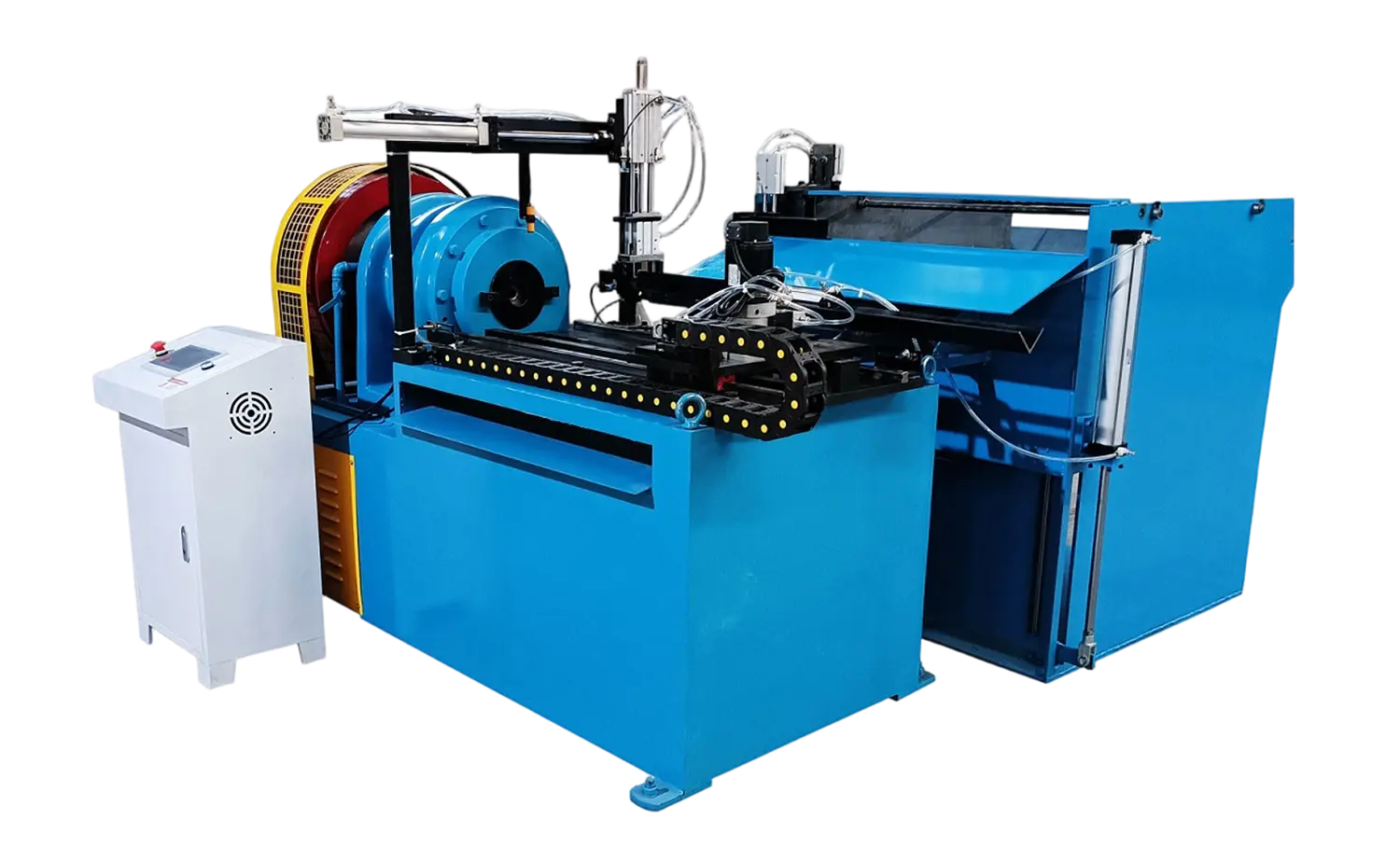
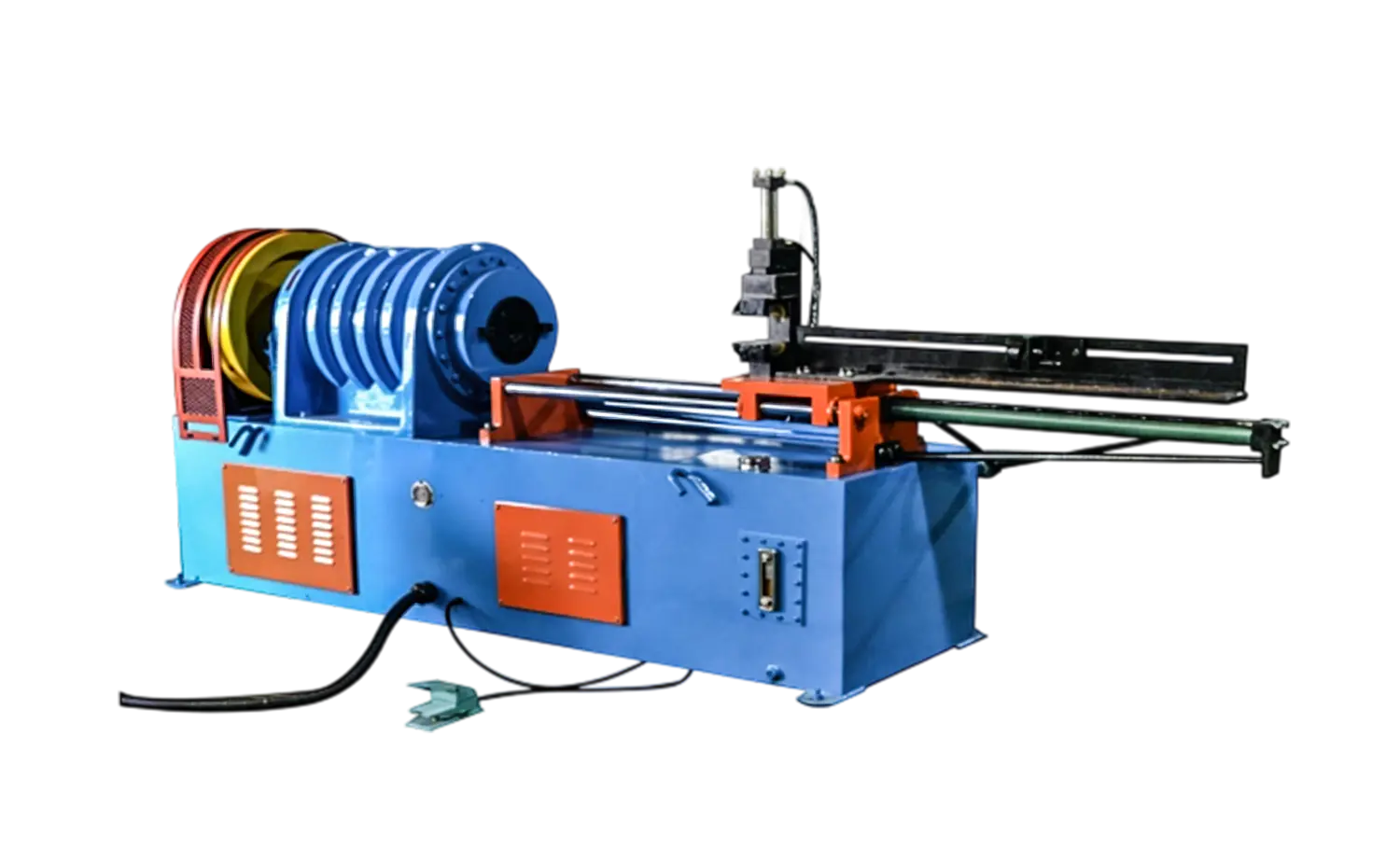
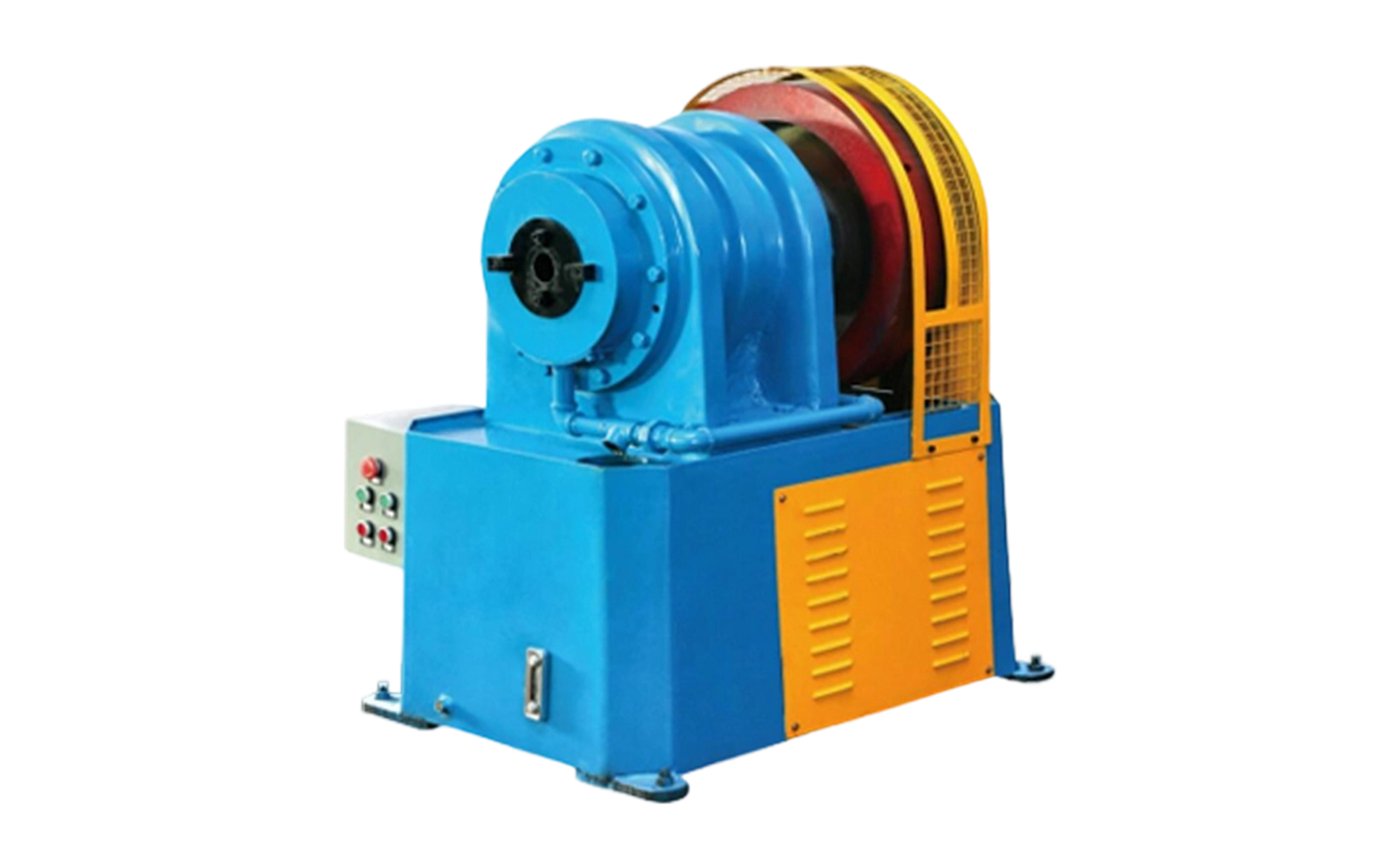
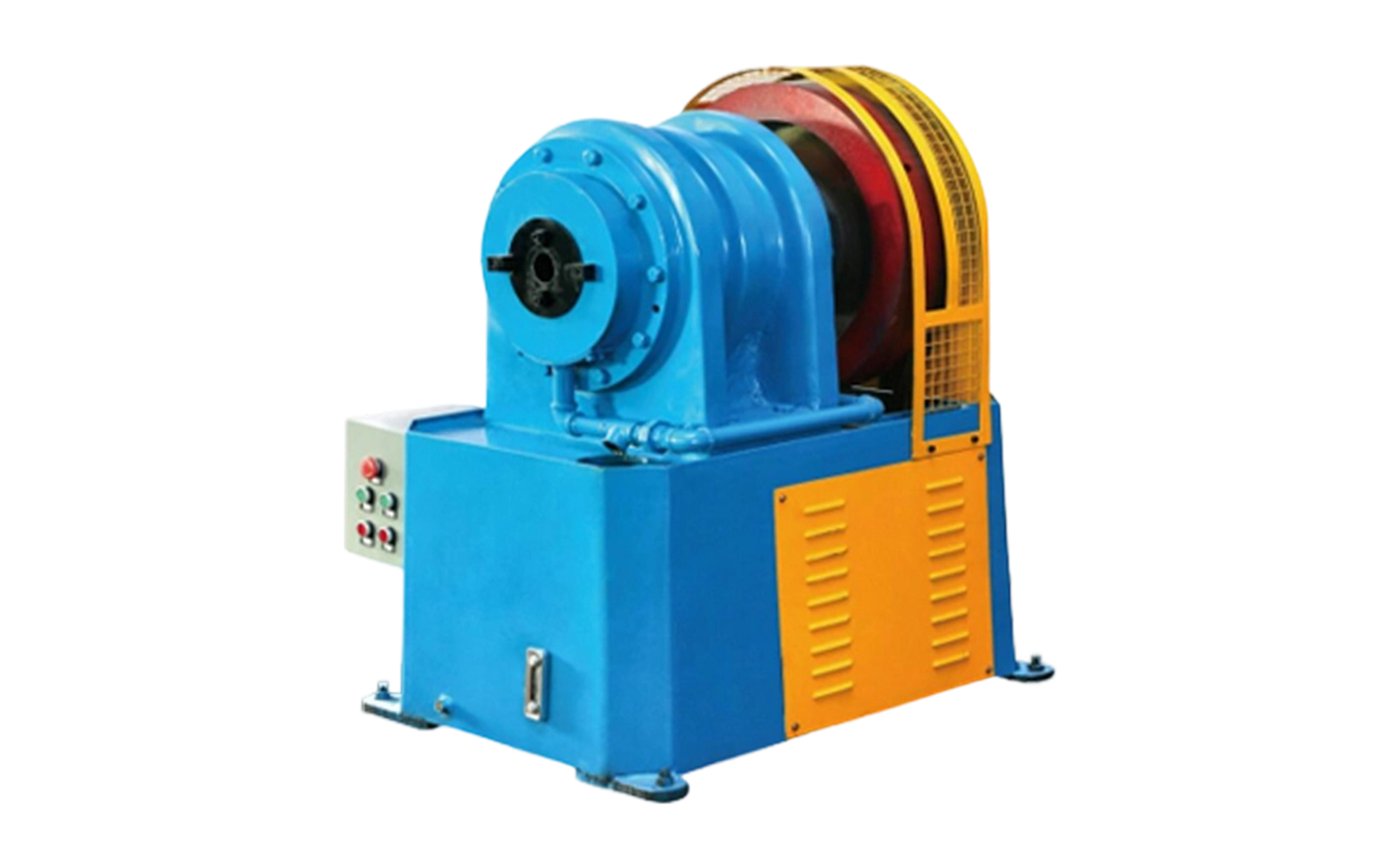
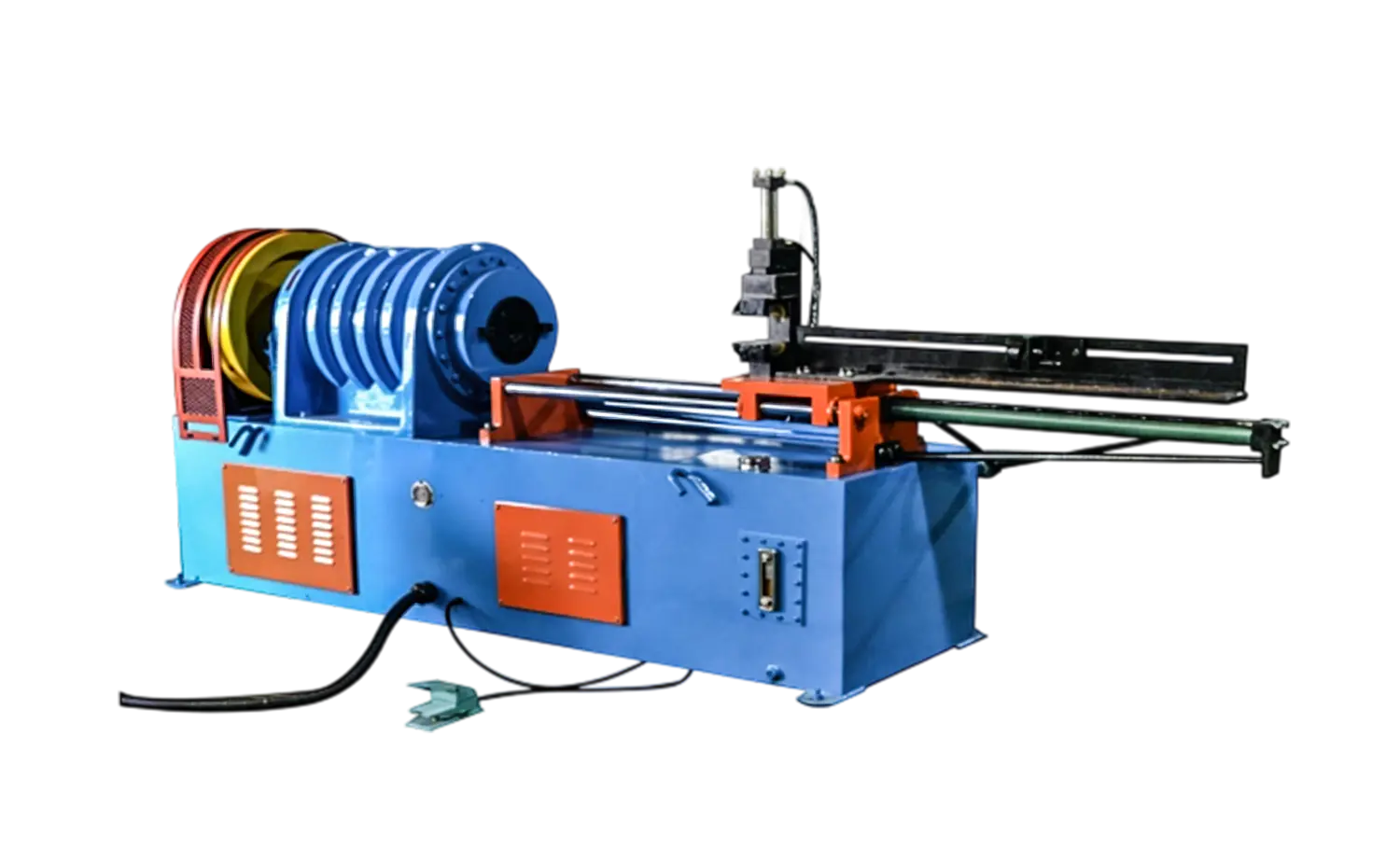
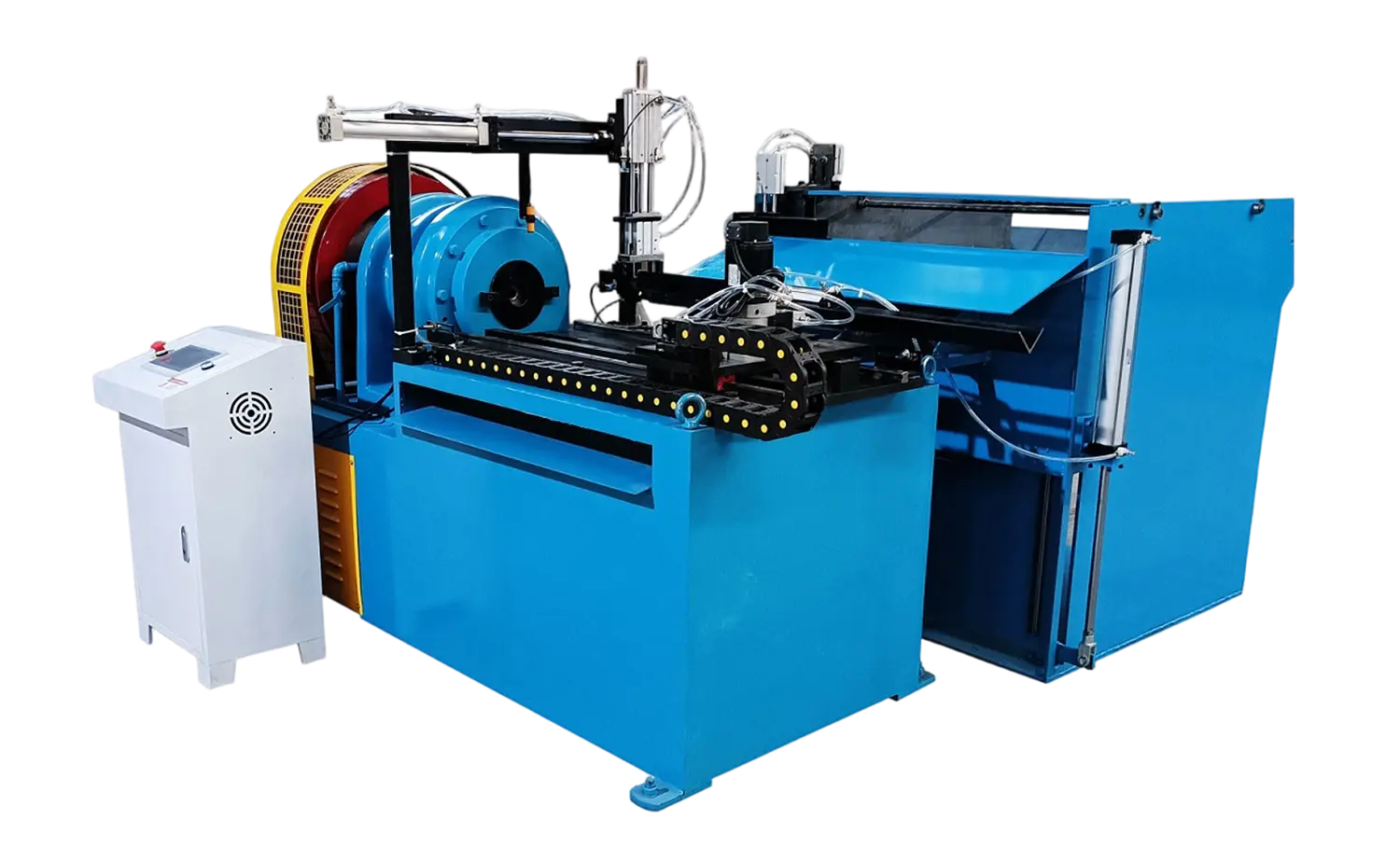
の テーパーチューブ減速機 パイプ加工分野では欠かせない設備です。その中心的な機能は、制御された塑性変形を通じてパイプの直径を軸に沿って徐々に減少させ、パイプの同心性と均一な壁厚を維持しながらテーパ状の移行セクションを形成することです。自動車、航空宇宙、石油化学、機械製造、家具ハードウェア産業の発展に伴い、高精度パイプ加工の需要が大幅に増加しています。テーパーチューブ減径機は、製品の品質確保、加工効率の確保、コスト管理に欠かせない役割を果たしています。最新のテーパーチューブ縮小機は、ローラー、マンドレル、または油圧ダイスを利用して圧力を加え、パイプの変形を正確に制御し、高精度で安定したテーパー加工を実現します。高張力鋼、チタン合金、特殊異形管など材質の多様化に伴い加工難易度は高くなり、機械の設計・製作では材料の機械的性質、肉厚変化、表面品質、同心度管理などを総合的に考慮する必要があります。
の technology of taper tube reducing machines integrates mechanical engineering, hydraulic control, and CNC technology. Roller-type reducing machines apply continuous rolling pressure to gradually reduce the pipe diameter, suitable for small to medium-diameter pipes. Roll-forming machines achieve diameter reduction through multiple adjustable rollers, suitable for large-diameter, high-strength pipes. Hydraulic-assisted machines provide uniform pressure via hydraulic cylinders for difficult-to-process materials, ensuring uniform wall thickness and smooth surface finish. Modern machines are typically equipped with PLC systems and sensors, which can adjust processing parameters in real-time, achieving automated, digital production while significantly improving processing repeatability and stability.
処理原理
テーパーチューブ縮小機は、ローラー、マンドレル、または油圧ダイを通してパイプに正確な圧力を加え、軸に沿って直径を徐々に縮小します。加工中、材料の可塑性、降伏強度、延性は加工結果に直接影響します。機械は、直径の縮小と壁厚の維持のバランスをとるために、最適なローラー配置、ローラー間隔、油圧曲線で設計されています。偏心やシワを防ぐために同心度を管理し、その後の溶接、組み立て、使用時のパフォーマンスを確保する必要があります。
産業用途
テーパーチューブ縮小機は、石油化学パイプ継手、自動車のシャーシおよび冷却システムパイプ、航空宇宙用チタン合金構造パイプ、および家具ハードウェアパイプの加工で広く使用されています。石油化学産業では、高圧パイプ継手のテーパー加工によりシール性能と安全性が確保されています。自動車製造では、車両の組み立て精度を確保するために、シャーシ パイプには非常に一貫したテーパーと肉厚が必要です。航空宇宙用チタン合金パイプには、高度な表面仕上げと応力管理が必要です。生産効率と見た目を重視した家具金物のパイプ加工です。パイプの設計が軽量かつ複雑になるにつれ、テーパーチューブ減速機にはメーカーの高度な技術的専門知識とサプライヤーの強力な協力が必要となり、機械の高精度、インテリジェンス、多機能化が推進されます。
技術的パラメータ
| パラメータ | ローラータイプ | ロールフォーミングタイプ | 油圧アシストタイプ |
| パイプ径範囲 | 10~50mm | 20~100mm | 30~200mm |
| テーパー範囲 | 0.5~2.0° | 1.0~3.0° | 0.5~2.5° |
| 最大加工長さ | 300mm | 500mm | 800mm |
| 制御方法 | マニュアル/PLC | PLC/サーボ | サーボ/油圧一体型 |
| 精度 | ±0.05mm | ±0.03mm | ±0.02mm |
| 生産サイクル | 10~30秒/個 | 20~60秒/本 | 30~90秒/個 |
メーカーのシステムと工場の能力
張家港華順機械製造有限公司の発展
張家港華順機械製造有限公司 華順機械は2000年に設立され、以前は華順機械として知られていました。同社は創業以来、パイプ加工装置の研究と製造に注力してきました。 2005 年には、台湾の有名なパイプ曲げ機械メーカーと提携し、台湾の高度なエンジニアリング技術を導入し、装置の精度とプロセスの成熟度を向上させました。 2007 年に、同社は正式に現在の社名にアップグレードし、生産工場を拡張し、完全なパイプ加工装置システムを確立しました。 2023年に同社は国際ブランドを立ち上げた アイク 、製造能力とグローバルなサービス システムを統合し、高効率でカスタマイズされたパイプ処理ソリューションを海外の顧客に提供します。
工場の能力
の company’s factory covers approximately 6,000 square meters and is equipped with two machining centers, six CNC lathes, one boring machine, and twelve drilling machines. The factory can process high-precision components such as spindles, rollers, dies, and supporting structural parts, forming a complete production line that includes circular saws, pipe benders, taper tube reducing machines, gear grinders, press brakes, riveters, aluminum cutters, chamfering machines, and rounding machines. Scientific layout and workflow optimization enable efficient production, standardized assembly, and quality controllability.
生産プロセスとデジタル管理
の factory’s production process forms a closed loop from design and development, material procurement, parts processing, assembly and debugging, to final testing. Design uses advanced CAD/CAE software for structural optimization and processing simulation, ensuring roller, die, and hydraulic system designs meet the requirements of various pipes. Raw materials undergo strict testing to ensure steel, aluminum, and high-strength alloys meet mechanical property standards. Components are processed using machining centers, CNC lathes, boring machines, and drilling machines with tight control of dimensional accuracy and surface roughness, and further strengthened through heat treatment and surface enhancement. During assembly and debugging, machines are monitored using precise measurement and online sensors to ensure stable taper, wall thickness, and concentricity. Finished products are tested under load, continuous processing, and online measurement.
の digital management system enables production transparency and optimization. CAD/CAE collaboration improves design efficiency, SPC data analysis monitors processing accuracy in real-time, and production management platforms track assembly progress, quality records, and process parameters. The supplier system is closely integrated, with core suppliers providing spindles, rollers, and hydraulic components, and electrical control system suppliers providing PLC and servo modules. Non-core suppliers provide standard and auxiliary components, forming a stable and efficient manufacturing supply chain.